


Need help blocking UV rays from destroying your vehicle?
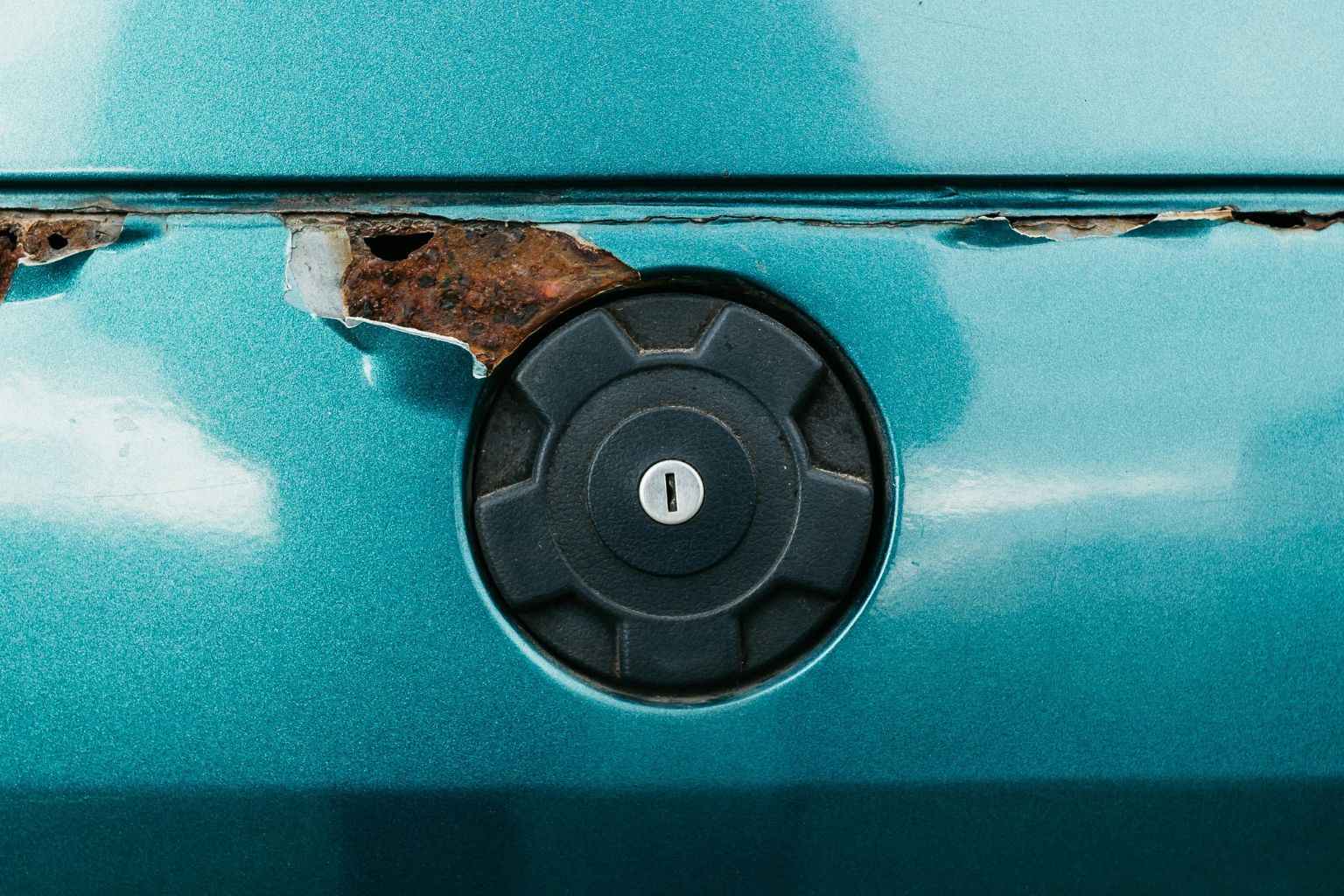
Sun damage rots cars every day throughout America. Paint fades. Dashboards crack. Trim overheats until it’s bubbling like lava.
But did you know…
Most of that damage can easily be prevented. A proper home carport that reduces UV rays exposure can keep your vehicle safe from damages and protect you from thousands of dollars of repair costs.
Not all carports offer the same UV coverage though. In fact, some of them are practically useless.
Let’s shed some light on…
What Materials Offer UV Protection
Features Carports Have to Have
UV Blocking Extras
Correct Sizing
Don’t Make These Mistakes
…and much more!
Table of Contents
Why UV Protection Should Matter To You
Let’s start off with the basics of why you need UV protection from sunlight.
If you guessed that the sun’s rays are bad for your car, you’re correct.
When temperatures outside reach 80 degrees Fahrenheit, your car temperature can reach an internal temperature of 123 degrees Fahrenheit in less than one hour. Combined with direct sunlight’s UV rays, your vehicle is put through war.
Those UV rays burn through the chemical bonds of your car paint, plastics, leather, and rubber. The exterior fades over time and the interior dashboard literally cracks and warps.
Plus…
Research from Kelley Blue Book has shown that the average vehicle loses up 60% of its value within 5 years. If your vehicle starts to lose value due to sun damage, you’re going to have a hard time trying to sell it or trade it in for a newer model.
By spending a little money on UV ray protection, you’re putting a great return on investment on your vehicle.
Compare Carport Materials
Different materials provide different types of UV ray protection.
Metal Carports Provide…
Metal carports are by far the most common type of UV ray protection. Steel and aluminum cover your car from the harsh rays of the sun directly from above.
Carports made from metal are sturdy and able to withstand all types of weather Mother Nature can throw at them. They’re also relatively easy to maintain because rust-resistant metals such as galvanized steel can last you decades.
Fabric Covered Buildings Offer…
Fabric carports give you UV ray protection by having UV inhibitor fabric stretched across a frame. Higher quality fabric carports can block 85% to 98% of UV rays.
A big pro to fabric carports is that they allow air to circulate. This can help reduce the temperature underneath the fabric cover. However, they do not provide UV ray protection from rain like a metal roof would.
Polycarbonate Carports Have…
Polycarbonate sheeting used on carports can help reduce UV ray exposure, but they allow sunlight to come through. One downside to polycarbonate carports is that they tend to yellow over time.
Features Your Carport Should Have
Now that you know what different materials can offer, here are the must-have features that every UV ray protection carport should have.
Full Coverage Roof
The roof is where the sun does the most damage. A full covering roof is ideal, but if you’re on a budget look into a shade cloth.
If you live in an area that’s sunny year-round, a full metal roof is your best option. Not only will you be shaded from the sun, but you’ll be protected from rain and flying debris.
Height & Slope
You also need to make sure you have enough height to prevent UV rays from beaming at weird angles when the sun starts rising and setting.
The slope of your carport is important as well. You want a slight slope to prevent rain and snow from collecting on top.
Side Panels
This one is optional, but if you really want to guarantee yourself full UV protection from the sun, install side panels.
As we all know, the sun doesn’t just rise from the sky. It comes from the east and the west too!
By installing side panels on the east and west sides of your carport, you will be able to block sunlight from hitting your vehicle from those angles.
UV Resistant Paint
The last thing you’ll want to look for is UV resistant paint. The last thing you want is for your carport to start rusting and degrading from sun damage.
High-quality carports have a powder coat finish to give it that extra protection.
How to Size Your Carport
You don’t want to go too small or too big when sizing your vehicle protection.
Measure Twice, Build Once
Start by measuring your vehicle. You want to make sure you leave at least 2 feet on each side to allow for doors to be opened and someone to be able to walk in and out of the carport.
A standard carport for one vehicle ranges from 12 feet to 14 feet in width. If you want a double carport, you’re looking at 20 feet to 24 feet wide. As for height, make sure you leave enough room for your tallest vehicle.
Plan For The Future
Think about what you want or will drive in the future. You never know – maybe you’ll want to upgrade to an SUV or truck later on down the road.
It’s always better to build a little bigger than you need versus having to replace an entire carport just to fit a bigger vehicle.
Footers & Foundations
Don’t forget about footers and foundations. You want to make sure your carport is able to withstand strong winds and storms.
Some carports come with concrete slabs. If you have dirt or gravel as your flooring, ground anchors can help keep your carport secured.
Mistakes To Avoid When Buying UV Protection
Here are some common mistakes that people tend to make.
Low Quality Materials
Just because carports are cheaper, doesn’t mean you should buy them. Cheap carports use thin metal and low-quality paint.
They will start to rust and dent easier which defeats the purpose of keeping your vehicle protected from the sun.
Installing in the Wrong Area
Just because you live in Florida where it’s sunny every day, doesn’t mean you live somewhere else that has rain, snow, snow and high winds.
Make sure you take into consideration your area’s climate when building your carport.
Not Getting A Permit
Some counties will require you to get a building permit before building your carport. Not doing so can result in you getting fined or worse – your carport getting taken down.
Always check with your local county to see if permits are necessary.
Improper Placement
Where you place your carport is just as important as the build. If you place your carport facing south, you will receive direct sunlight.
Think about where the sun sits throughout the day when deciding where to place your carport.
Conclusion
You’ve made it this far, so now it’s time to wrap things up!
There you have it – the ultimate guide to building a carport that will protect your vehicles from UV rays. Just remember these few things:
- Steel carports are by far the best when it comes to shading your vehicle from the sun.
- If you decide to go the route with a fabric carport, make sure it can deflect 85% to 98% of UV rays.
- Get a carport that comes with side panels or install them yourself. You’ll thank yourself later.
- Last but not least, make sure the carport you purchase is coated with a UV inhibitor paint.
Sun damage is going to happen whether you like it or not. Don’t forget about your four-wheeled baby and let Nature do what it wants to your vehicle.
Protect it from UV rays and you’ll be able to keep it looking like it’s brand new for years to come.
