


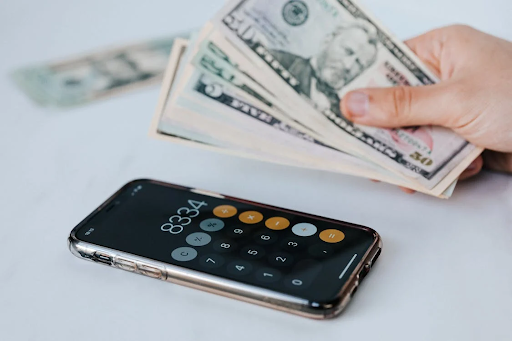
Understanding and managing personal finances is a critical skill for students. With the rise of financial technology, a wide range of mobile apps now help you track spending, organize budgets, and build savings habits from your phone. Instead of guessing where your money went at the end of the month, you see it in real time.
When you are balancing tuition, rent, groceries, transportation, and social plans, small purchases add up fast. A coffee here, a subscription there. Without a system, it becomes difficult to stay in control. The right fintech app gives you structure. It shows patterns, flags overspending, and helps you plan ahead.
Below are real, widely used apps that students rely on to monitor spending and improve financial discipline.
Table of Contents
1. Mint
Mint remains one of the most recognized budgeting apps. It links to your bank accounts, credit cards, and loans, then automatically categorizes transactions.
Why it works for students:
- Automatic expense tracking across multiple accounts
- Custom monthly budgets by category
- Bill reminders to avoid late fees
- Free credit score monitoring
Mint gives you a full snapshot of your finances in one dashboard. If you are new to budgeting, this all-in-one view helps you understand how your spending aligns with your income.
2. YNAB
YNAB stands for You Need A Budget. It follows a zero-based budgeting method, where every dollar gets assigned a job.
What makes it effective:
- Encourages intentional spending
- Helps break paycheck-to-paycheck cycles
- Real-time budget adjustments
- Strong educational resources
YNAB requires more involvement than automatic trackers, but that hands-on approach builds strong financial awareness. If you want to actively control your money instead of reviewing it later, this app supports that mindset.
3. PocketGuard
PocketGuard focuses on simplicity. It calculates how much disposable income you have after bills, goals, and necessities.
Key strengths:
- Shows how much is safe to spend
- Tracks recurring subscriptions
- Easy-to-read dashboard
- Helps prevent overspending
For students who want quick clarity without complex budgeting systems, PocketGuard keeps things straightforward.
4. Goodbudget
Goodbudget uses a digital envelope system. You divide income into spending categories before you spend it.
Benefits include:
- Clear spending limits for each category
- Shared budgets for roommates or partners
- Strong visual tracking
This structure works well if you prefer planning your spending in advance rather than reviewing it afterward.
5. EveryDollar
EveryDollar also uses zero-based budgeting. You plan expenses at the start of each month and track transactions as they happen.
Why students choose it:
- Clean and simple interface
- Encourages monthly planning
- Easy manual expense entry
If you want a focused budgeting tool without extra features, EveryDollar keeps the process direct and organized.
How to Choose the Right App for You
Before downloading anything, consider your habits.
- Do you want automation or manual control?
- Are you trying to stop impulse spending?
- Do you need help tracking subscriptions?
- Are you saving for a specific short-term goal?
If you prefer automation and visual summaries, Mint or PocketGuard fit well. If you want structured budgeting discipline, YNAB or EveryDollar provides that framework. If you like the envelope method, Goodbudget offers a digital version.
Security should always be a priority. Look for apps with encryption, multi-factor authentication, and clear privacy policies before linking your accounts.
Choosing the Right Student Bank Account
Budgeting apps help you monitor spending, but your bank account plays an equally important role in your financial stability. The structure of your account affects fees, transaction limits, international transfers, and overall accessibility.
Students should look for accounts with:
- Low or zero monthly maintenance fees
- No minimum balance requirements
- Easy mobile banking access
- Transparent overdraft policies
- Free domestic transfers
For international learners, choosing the right international student bank account is especially important. Currency exchange fees, cross-border transfers, and documentation requirements can create unexpected challenges. An account designed for international students often offers simplified onboarding, multilingual support, and lower fees for global transactions.
When your bank account aligns with your lifestyle and your budgeting app tracks your activity in real time, you gain full visibility and control. This combination reduces financial stress and helps you stay focused on your academic goals.
Building Long-Term Financial Habits
1. Shift Your Perspective: Awareness Over Restriction
Tracking your spending isn’t about cutting out the things you love; it’s about intentionality. When you move away from “autopilot” spending, you gain the clarity needed to align your money with your actual priorities.
- Start Small: Spend five minutes once a week reviewing transactions.
- Audit Value: Ask if that recurring subscription or third takeout meal of the week truly added value to your life.
- Strengthen Judgment: Use these reflections to build the “financial muscle” you’ll need after graduation.
2. Practice Active Management
In the world of budgeting, consistency beats perfection. You will have months where you overspend, the key is how you pivot.
- The “Pivot” Rule: If you overspend in one category, consciously reduce another to balance the scales.
- Use Your Tools: Leverage a budgeting app not just as a ledger, but as a dashboard for your goals. Watching an emergency fund or a “new laptop” fund grow week-by-week provides the visual reinforcement needed to stay disciplined.
3. Establish a Sustainable Routine
Financial stability is rarely the result of one big move; it’s the result of a repeated routine.
- Set an Appointment: Treat your weekly budget review like a class or a shift at work.
- Proactive vs. Reactive: This habit helps you stop “scrambling” at the end of the month and starts the process of preventing financial stress before it happens.
The Bottom Line
Students who master these habits early gain a massive head start. By understanding your cash flow and recognizing your personal spending triggers now, you ensure that your money works for your goals rather than against them. A budgeting app is simply the tool—your daily commitment is what shapes the outcome.
