


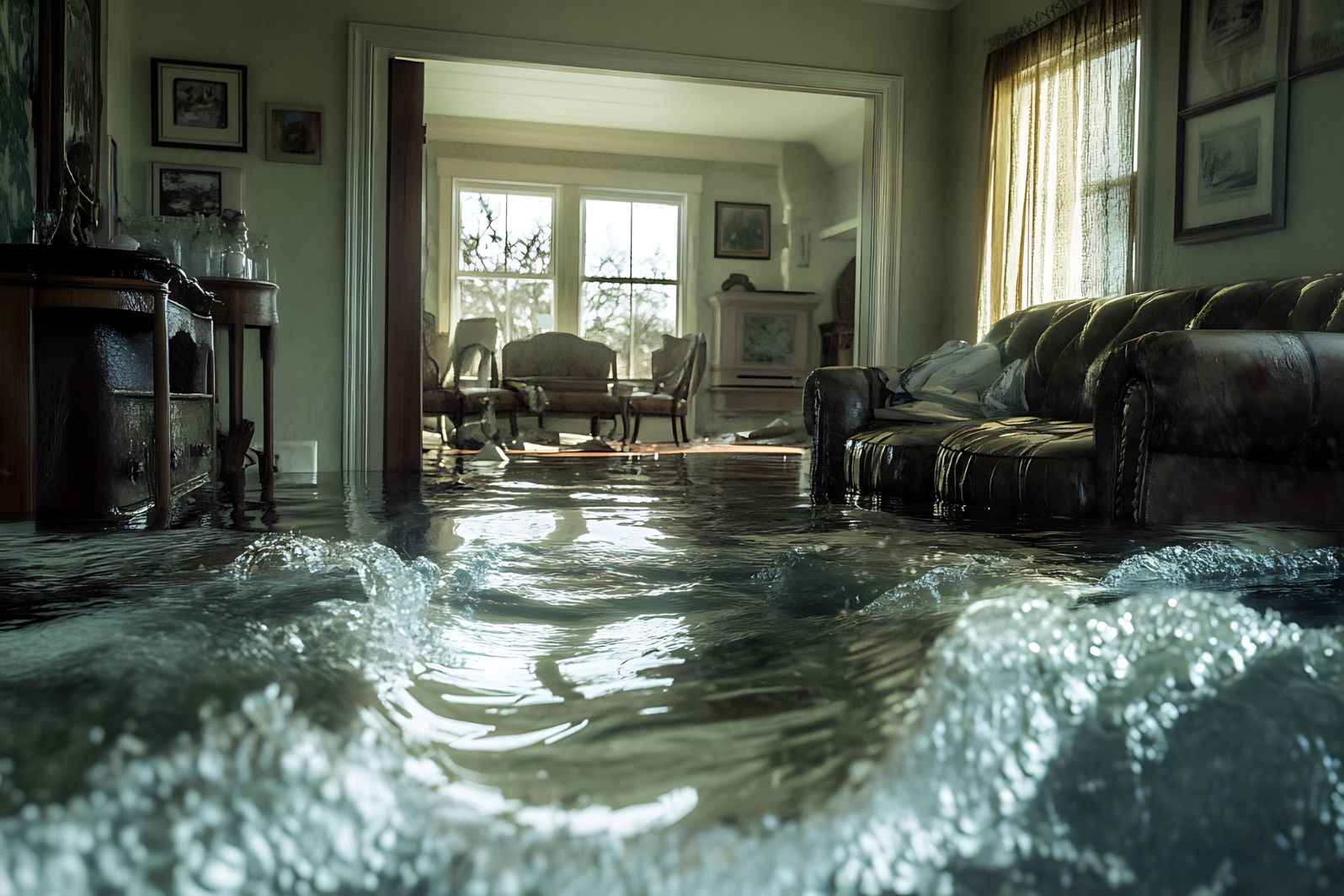
The sound of rushing water where it shouldn’t be is a homeowner’s worst nightmare. In minutes, a flood can turn a sanctuary into a hazardous zone, destroying heirlooms, soaking drywall, and threatening the structural integrity of the property. The aftermath is often overwhelming. You are left standing in a wet, muddy mess, unsure of where to even begin.
Table of Contents
Prioritize Safety Above All Else
Before you worry about wet carpets or ruined furniture, you must ensure it is safe to re-enter your home. Floodwaters are deceptive; they often hide structural damage and serious health hazards.
Electrical and Gas Hazards
Never enter a flooded basement or room if the power is still on. Water acts as a conductor for electricity, creating a potentially fatal risk of electrocution. If you can safely reach the main breaker box without stepping in water, turn off the power. If you cannot, call your utility company or a qualified electrician to cut the power from the meter.
Gas leaks are another common danger post-flood. If you smell gas or hear a hissing noise, leave the property immediately and call the gas company. Do not use candles, lighters, or open flames inside the home until you are certain there are no leaks.
Structural Stability
Rushing water exerts tremendous pressure on foundations and walls. Look for buckled walls, cracks in the foundation, or sagging ceilings. If the building looks shifted or unstable, do not enter. Wait for a building inspector or structural engineer to give the all-clear.
Contaminated Water
Floodwater is rarely just rainwater. It is often a toxic sludge containing sewage, chemicals, oil, and debris. Wear protective gear—heavy boots, rubber gloves, and even a mask—whenever you are working in or near the affected area. Avoid skin contact with the water and wash your hands thoroughly after handling any wet items.
Assessing and Documenting the Damage
Once it is safe to enter, your instinct will be to start cleaning immediately. Resist this urge. Before you remove a single shovel of mud or throw away a soaked rug, you must document the scene.
Your insurance company needs proof of the damage to process your claim accurately. Think of this as a crime scene investigation where you are gathering evidence for your compensation.
- Take Photos and Videos: Capture wide shots of every room to show the water line height. Then, take close-ups of damaged items, structural issues, and appliances. Don’t forget to photograph the outside of your property as well.
- Keep Samples: For items like carpet or wallpaper, cut a small swatch to keep as proof of the material quality and color before disposing of the rest.
- List Damaged Items: Create a comprehensive inventory of everything that was ruined. Include the brand, model, age, and estimated value of each item. If you have receipts or credit card statements, gather those as well.
Navigating the Insurance Claim Process
Contact your insurance agent as soon as possible. Most policies require prompt notification of a loss. When you call, have your policy number ready and a pen to write down the claim number and the adjuster’s name.
Ask specific questions about your coverage:
- Does my policy cover flood damage? (Note: Standard homeowner policies often do not; you typically need separate flood insurance).
- Does my coverage include “additional living expenses” if I cannot stay in my home?
- What is the timeline for an adjuster to visit?
- Are there specific cleanup companies I am required to use, or can I hire my own?
Document every conversation you have with your insurer, noting the date, time, and summary of what was discussed. This paper trail can be invaluable if disputes arise later.
Starting the Mitigation and Cleanup
Once you have documented the damage and spoken to your insurer, you can begin the cleanup process. The goal here is “mitigation”—preventing further damage. The biggest enemy now is mold, which can begin growing within 24 to 48 hours of exposure to moisture.
Remove Standing Water
If the flooding is minor, you may be able to use a wet-dry vacuum to remove standing water. For larger volumes of water, you might need gas-powered pumps. Be careful where you drain this water; ensure it goes into a storm drain or away from your foundation so it doesn’t seep back in.
Strip the Room
Move all wet furniture, rugs, and pewrsonal items out of the house to a dry area like a garage or driveway. This allows the items to dry and clears the space for you to address the floors and walls.
Drywall acts like a sponge. If the water level was high, you will likely need to cut away the drywall at least a foot above the water line. Remove and dispose of wet insulation, as it cannot be effectively cleaned or dried.
Dry It Out
Air circulation is key. Open windows and doors if the outside humidity is lower than inside. Use high-volume fans and dehumidifiers to pull moisture from the structural elements of the home. This drying process can take several days or even weeks. Do not rush to rebuild until a moisture meter confirms the wood framing is thoroughly dry (usually below 15% moisture content).
When to Call Professional Help
While DIY cleanup is possible for minor leaks, extensive flooding usually requires professional intervention. Restoration companies have industrial-grade equipment—like truck-mounted extractors and thermal imaging cameras—that the average homeowner does not.
They can identify pockets of moisture behind walls and under floors that you might miss, preventing long-term rot and mold issues. If the water was “black water” (sewage), do not attempt to clean it yourself; the health risks are too high.
Speed is vital. If you are in an area with high demand, resources can become scarce quickly. For instance, homeowners facing severe weather events often rush to book disaster cleanup services in Utah, Florida, or other affected regions, leading to waitlists. Securing a reputable contractor early can make the difference between a salvaged home and a total loss.
Preventing Future Floods
Once the crisis has passed and repairs are underway, shift your focus to prevention. While you cannot stop the rain, you can make your home more resilient.
- Install a Sump Pump: If you have a basement, a sump pump with a battery backup is essential for keeping water out during storms.
- Improve Grading: Ensure the ground around your home slopes away from the foundation. This directs rainwater away from your basement walls.
- Check Gutters: Keep gutters and downspouts clean and ensure they extend at least five feet away from the house.
- Install Backflow Valves: These prevent sewage from backing up into your home during heavy flooding.
Conclusion
Recovering from a flood is a marathon, not a sprint. It involves physical labor, paperwork, and significant emotional stress. However, taking these immediate steps puts you in control of the situation. By prioritizing safety, documenting evidence thoroughly, and acting quickly to dry out your home, you minimize the damage and set the stage for a successful renovation.
