


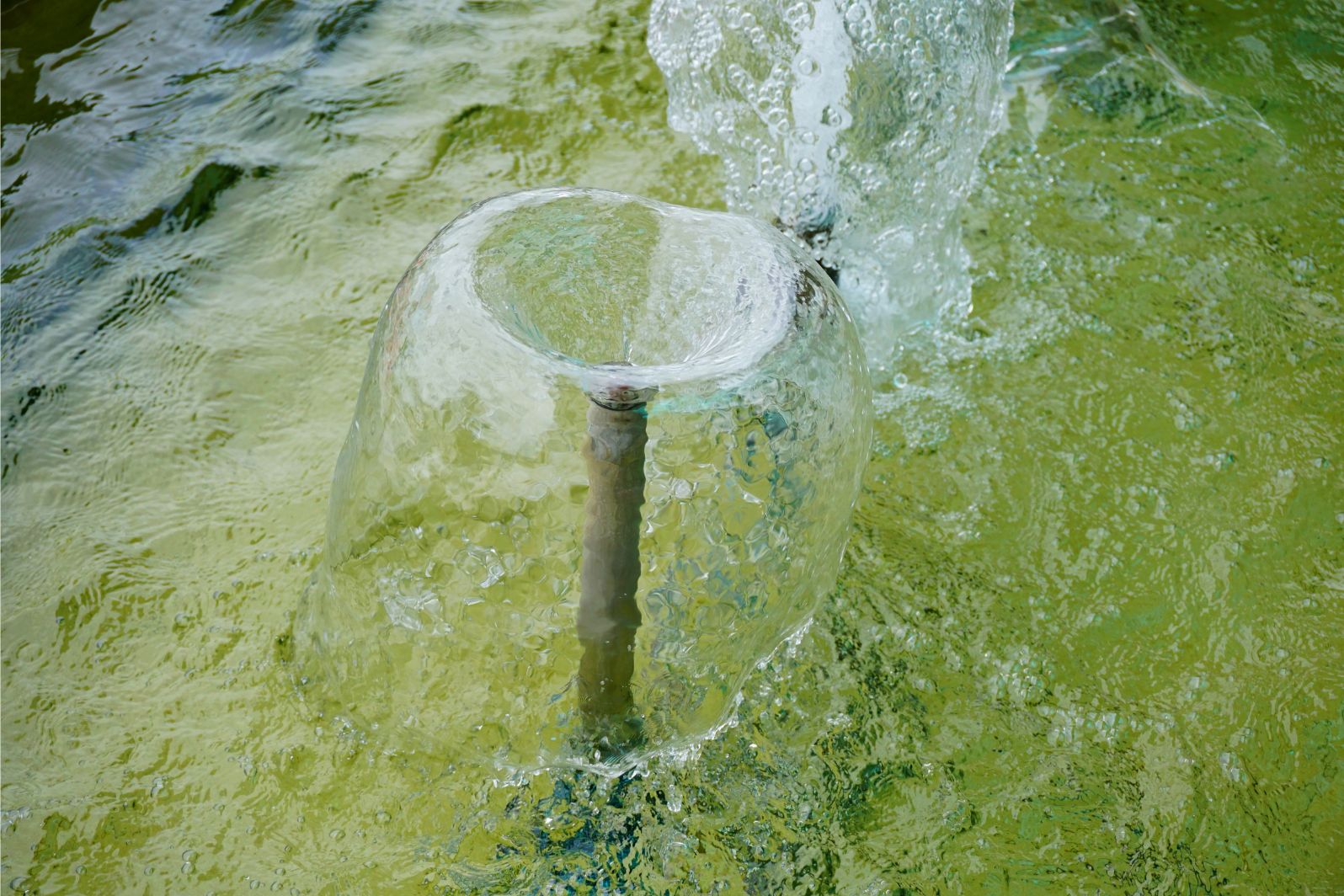
Fountains are a popular addition to gardens, parks, and public spaces. They not only enhance an area’s aesthetic appeal but also create a soothing, relaxing atmosphere. A key element of a fountain is the nozzle, which determines the pattern and height of the water spray. To achieve the desired effect, consider the water pressure in small fountain nozzles. This article discusses the importance of water pressure in small fountain nozzles and how it affects a fountain’s overall performance.
Table of Contents
1. Water Pressure and Fountain Nozzle Performance
Water pressure plays a crucial role in a small fountain nozzle’s performance. Water pressure affects the height, shape, and intensity of the spray. If the water pressure is too low, the fountain may not produce the desired effect, and the water spray may appear weak and lackluster. On the other hand, if the water pressure is too high, the spray may become too vigorous and uncontrollable, causing leaks and splashing.
2. Aesthetics and Water Pressure
Water pressure directly affects the aesthetics of a small fountain. Different nozzle designs require different water pressures to create specific patterns and effects. For example, a nozzle with a fan-shaped spray pattern may require lower water pressure compared to a nozzle with a vertical jet pattern.
This is because the fan-shaped spray pattern disperses the water in a wider area, so the pressure needed to create the desired effect is lower. On the other hand, the vertical jet pattern forces water upward, which requires higher pressure.
The water pressure affects the height, width, and overall appearance of the fountain’s water display. If the pressure is too low, the water may not reach the desired height or spread out as intended, resulting in a less impressive display. Conversely, if the pressure is too high, the water may shoot out too forcefully or uncontrollably, potentially causing splashing or even damaging the fountain structure.
To achieve the desired aesthetics, use the appropriate nozzle design and adjust the water pressure accordingly. This can usually be done through a flow control valve or a pressure regulator. By understanding each nozzle design’s specific requirements, fountain designers and caretakers can optimize water pressure for the desired effect and maintain the fountain’s visual appeal.
3. Efficiency and Water Pressure
Efficiency is an important consideration for operating a small fountain. By maintaining the correct water pressure, fountain owners can ensure that the fountain operates efficiently, without wasting water or energy.
One way to keep a small fountain running efficiently is to regularly check and adjust the water pressure. Set the water pressure at the optimal level to allow a steady flow without excess. You can do this by adjusting the water pump or using a pressure regulator.
Keeping the water pressure at the right level helps fountain owners avoid wasting water. Excessive water pressure can cause water to spray or splash out of the fountain, leading to unnecessary water loss. This not only depletes the water supply but also increases the water bill.
Furthermore, maintaining the correct water pressure also helps conserve energy. If the water pressure is too high, the pump has to work harder to push water through the fountain. This increases energy consumption and electricity costs.
Regularly monitoring the water pressure and making necessary adjustments can prevent these inefficiencies. Fountain owners should also check for any leaks or blockages in the water lines that may affect the water pressure. Fixing these issues promptly ensures that the fountain operates at its optimal level, conserving both water and energy.
Overall, maintaining the correct water pressure is crucial for a small fountain to operate efficiently. It not only prevents waste but also helps reduce water and energy costs, promoting sustainability and responsible fountain ownership.
4. Maintenance and Water Pressure
Water pressure in small fountain nozzles also affects the fountain’s maintenance requirements. Low water pressure can cause clogs and blockages in the nozzle, reducing the fountain’s efficiency and performance. It may also increase the risk of algae growth and other water quality issues.
5. Safety and Water Pressure
Water pressure is not only important for the performance and aesthetics of a small fountain but also for the safety of users and bystanders. If water pressure is too high, the risk of spray hitting people or nearby objects increases. This can lead to accidents, injuries, or property damage.
Therefore, it is crucial to properly regulate and maintain the water pressure in a small fountain. This helps control water flow, prevent excessive spray, and keep everyone nearby safe. Additionally, balanced water pressure improves the fountain’s performance and aesthetics, creating a visually pleasing and enjoyable experience for users. Regular inspection and monitoring of the water pressure system can help identify any potential issues and address them promptly, reducing the likelihood of accidents or damage. Ultimately, maintaining appropriate water pressure in a small fountain is essential for both functionality and safety.
For homeowners who’d rather skip the technical setup, pre-designed fountains offer a straightforward alternative — the pump, nozzle, and pressure are already matched by the manufacturer. Cast stone fountains from Soothing Company are a good example, arriving as complete units with the flow and spray pattern already calibrated for a balanced, reliable display.
Conclusion
Water pressure plays a vital role in the performance, aesthetics, efficiency, maintenance, and safety of small fountain nozzles. The right water pressure can create stunning visual effects while ensuring the fountain’s longevity and proper functioning. Fountain designers and owners must carefully consider and maintain the water pressure to achieve the desired effect and prevent any potential issues. With proper water pressure management, small fountains can become captivating and tranquil additions to any space.
