


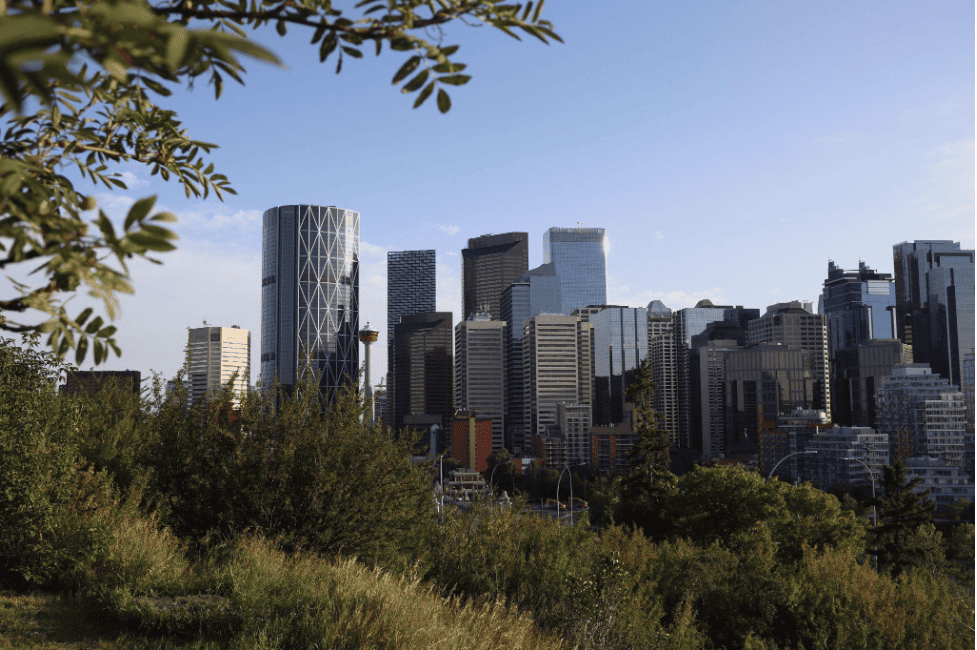
A bright winter morning in Calgary can feel almost misleading. Snow may still line the sidewalks, but the sun is out, the sky is clear, and a chinook may push the temperature high enough for people to leave their heavy coats open. By afternoon, the river pathways are busy. That evening, the same residents might be heading to a restaurant in Inglewood, a hockey game, or a performance downtown.
This ability to move between different experiences is central to life in Calgary. The city is urban without feeling completely removed from open space, and its outdoor culture extends far beyond weekend trips to the mountains. Neighbourhood parks, river paths, recreation centres, community events, and changing seasons all shape how residents use their time.
Making the most of Calgary is not about completing a list of attractions. It begins with understanding which version of the city fits your daily habits and then building routines around what is actually available.
Table of Contents
The Choices That Shape Daily Life in Calgary
Where someone lives can change the Calgary experience more than almost any other decision. A person in the Beltline may walk to work, meet friends on 17th Avenue, and rely less on a car. Someone in a newer suburban community may have more living space, quieter streets, and easier access to schools or large recreation centres, but may drive more often for work and errands.
Neither lifestyle is automatically better. The important question is which trade-offs will affect the week most often. A short commute can create more free time, while a larger home may offer space for family, work, or hobbies. Walkability may matter to someone who enjoys cafés and evening events, but another person may place more value on a yard, nearby trails, or easy access to major roads.
The same applies to transportation. Calgary’s CTrain can make certain parts of the city easier to navigate, particularly for people travelling into the downtown core. However, residents who frequently visit the foothills, transport sports equipment, or live far from a station may still depend heavily on a vehicle.
This is why discussions about the best Calgary neighbourhoods need context. The answer changes depending on whether someone values nightlife, schools, river access, mountain routes, public transit, historic character, or more space. Kensington and Sunnyside may appeal to people who want walkability and quick access to the Bow River. Inglewood offers independent businesses, music venues, and older architecture. Communities near Fish Creek Provincial Park may suit residents who want extensive green space without leaving the city.
It is also useful to think beyond the home itself. A neighbourhood that looks appealing on a map may feel less convenient if groceries, recreation, and social activities require long drives. Before settling into a routine, residents should test the routes they will use regularly, not only the ones that matter on weekends.
A Calgary Lifestyle Is Built Through Seasonal Habits
Calgary changes noticeably throughout the year, and residents who enjoy the city tend to adjust with it rather than waiting for one preferred season.
Winter is much more than just a season that we have to survive. Ice skating, skiing, recreational centres, libraries, museums, restaurants, and social gatherings ensure that the city remains vibrant. Unexpected Chinook winds might provide a respite from the cold and give us chances for walking or cycling around our neighbourhood or the park. The sudden changes in temperature make planning less rigid.
Spring often arrives unevenly. Warm days may be followed by snow, and pathways can remain wet or icy even when the air feels mild. This is a good period for mixing outdoor plans with indoor alternatives. A morning walk near the Bow River can be followed by a visit to the Central Library, Studio Bell, or a neighbourhood café if conditions change.
Summer is an entirely different ball game. Patios, festivals, open-air markets, river activities, cycling, and long nights all offer additional opportunities for being out in the sun. While some major events will be packed with people, smaller community events give you a better chance of appreciating the different neighbourhoods of Calgary.
Autumn may be the easiest season for exploring Calgary on foot. Cooler temperatures, changing leaves, and fewer weather extremes make river pathways, parks, and neighbourhood walks more comfortable. It is also a useful time to prepare for winter by deciding which indoor activities, fitness routines, or cultural venues will remain part of the week once temperatures drop.
The city becomes more enjoyable when residents treat the seasons as invitations to change their habits. Summer may be built around outdoor evenings and day trips, while winter may shift attention toward community spaces, dining, sports, and shorter outdoor activities. The goal is not to maintain the same routine all year.
Three Mistakes That Can Limit the Experience
- Treating the mountains as the only meaningful outdoor option
The Rocky Mountains are a major advantage of living in Calgary, but they are not the only place to spend time outside. Driving to Banff or Canmore every weekend can become expensive, crowded, and tiring.
Calgary has extensive river pathways, Nose Hill Park, Fish Creek Provincial Park, neighbourhood green spaces, and access to nearby foothills destinations. These options make it possible to build outdoor activity into an ordinary week rather than saving it for occasional trips.
- Staying within one part of the city
Calgary’s neighbourhoods each possess unique characters, but those living in certain areas do not often venture out and see many parts of the city. Those in the northwestern part of the city may never visit Inglewood or East Village, and similarly, those who live in inner-city Calgary may never experience parks, restaurants, or recreational facilities further south.
There is no need to plan an entire day trip to get into another part of the city. Going for lunch, visiting a market, walking on a pathway, or enjoying an evening show are all good ways to explore another part of the city.
- Waiting for perfect weather
The weather can turn unexpectedly, and plans made under ideal circumstances are frequently delayed. People usually accommodate themselves by having contingency plans in place.
A park trip can turn into a visit to the museum, or eating elsewhere, or spending time at the recreational centre. Carrying a spare sweater, checking the weather before taking longer trips, and doing things that have some flexibility in the timing helps us use the city regularly.
A balanced way to live in Calgary involves leveraging the contrasts that make the city unique. Urban communities, riverside paths, big parks, places for culture, and mountains don’t have to battle against each other. Each element can cater to various needs during the week.
What the aim is not is to take advantage of all that Calgary has to offer. The aim is to pick and choose the elements that suit you, to stay adaptable with changes in seasons, and to sometimes get out of your usual patterns.
