


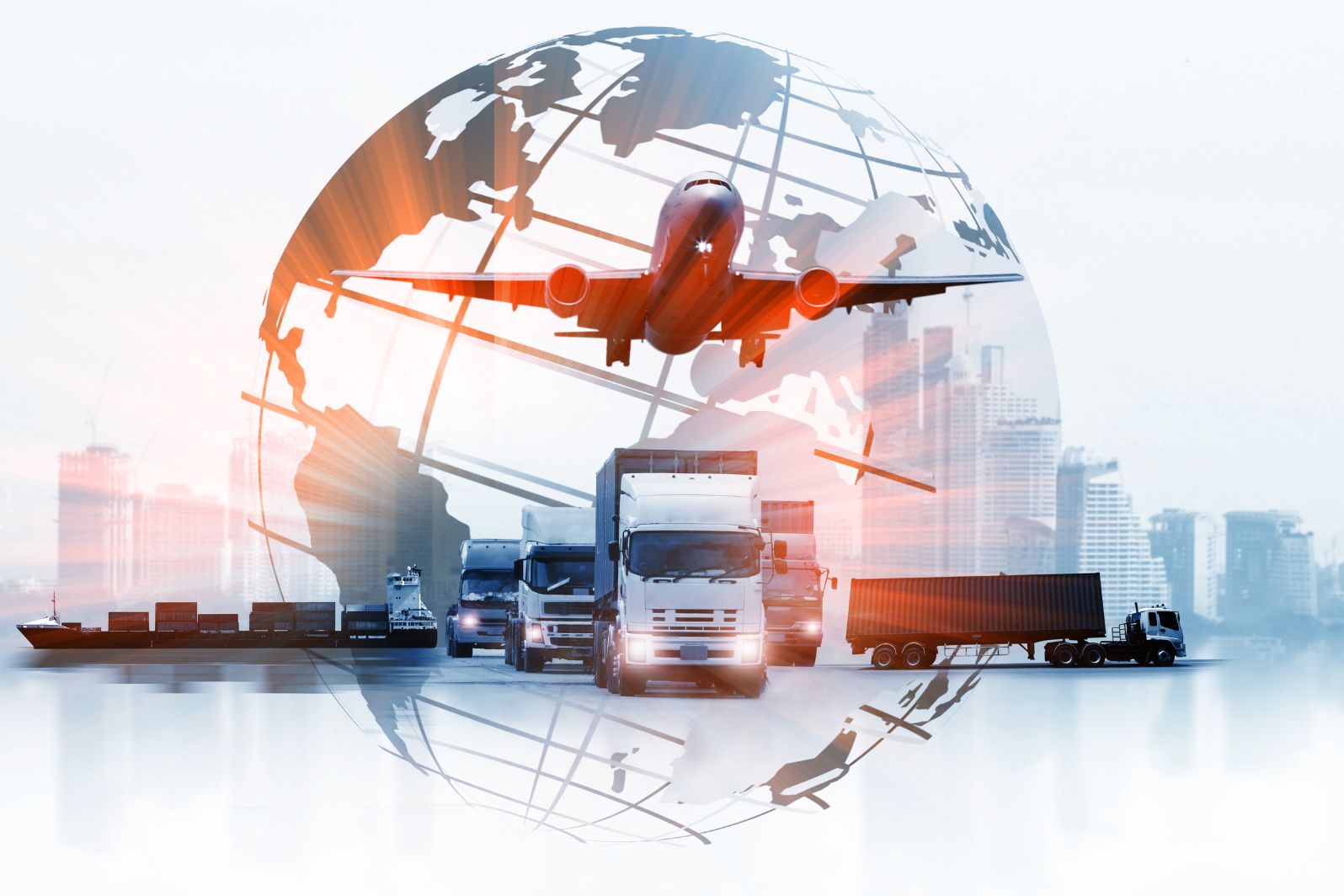
According to the U.S. Bureau of Transportation Statistics, the nation’s transportation network moves an average of 55.5 million tons of freight every day, supporting supply chains that stretch across the country. Additionally, trucks transport approximately 72.7% of U.S. freight by weight, highlighting the importance of reliable communication across transportation networks.
For food logistics companies, the challenge is even greater. Many products travel long distances through a network of farms, processing facilities, warehouses, ports, distribution centers, and maritime shipping routes before reaching consumers. Delays caused by severe weather, transportation bottlenecks, infrastructure limitations, or unexpected disruptions can quickly affect delivery schedules and product quality. As a result, staying connected across every stage of the supply chain is essential for maintaining visibility, coordinating operations, and ensuring food reaches its destination safely and on time.
Why Communication Matters in Food Logistics
Food logistics relies on constant communication between multiple partners. Warehouse teams, transportation providers, suppliers, and retailers all need access to accurate information to help goods move smoothly through the supply chain. When everyone is working from the same up-to-date information, it becomes easier to manage inventory, respond to delays, and keep deliveries running on schedule.
For products with limited shelf lives, timely communication is especially important. Perishable loads also depend on refrigerated trailers that burn diesel to stay cold, so keeping reefer units fueled is key to preventing spoilage. Even small disruptions can create knock-on effects that lead to missed delivery windows or unnecessary waste.
Challenges Across Remote and Maritime Routes
Food shipments do not always travel through areas with reliable communications infrastructure. Trucks may pass through rural regions where cellular coverage is inconsistent, while ships transporting food across maritime routes can spend days operating far beyond the reach of traditional networks.
Weather can add another layer of complexity. Storms, flooding, and other disruptions may affect transportation schedules, making it more difficult for logistics teams to maintain visibility and coordinate responses. In these situations, reliable communication becomes critical for keeping operations moving and minimizing disruption.
Maintaining Visibility Across the Supply Chain
Modern food logistics depends on visibility. Businesses need to know where shipments are, when they are expected to arrive, and whether storage conditions are being maintained throughout the journey.
Connected tracking systems help logistics teams monitor deliveries in real time, while cloud-based platforms make it easier to share updates across different locations. This information allows businesses to identify potential issues sooner and make informed decisions before minor delays become larger operational problems.
Staying Connected Beyond Traditional Networks
Many food logistics operations extend beyond areas served by conventional broadband infrastructure. Remote warehouses, transportation corridors, and maritime shipping routes can present unique connectivity challenges that require alternative solutions.
Satellite Internet can help bridge these gaps by providing reliable communications in locations where traditional services may be limited or unavailable. This allows logistics teams to stay in contact with drivers, vessel crews, and remote facilities while maintaining access to the systems that support day-to-day operations. With more consistent connectivity, businesses can improve shipment visibility, coordinate responses to disruptions, and maintain smoother operations across geographically dispersed networks.
Building a More Resilient Supply Chain
The ability to communicate quickly and reliably plays an important role in supply chain resilience. When logistics partners can share information without interruption, they are better equipped to respond to changing conditions, adjust transportation plans, and keep products moving efficiently.
As supply chains continue to evolve, dependable connectivity will remain a key part of successful food logistics operations. Whether shipments are traveling through rural regions or across maritime routes, staying connected helps businesses maintain visibility, improve efficiency, and navigate disruptions with greater confidence.
