


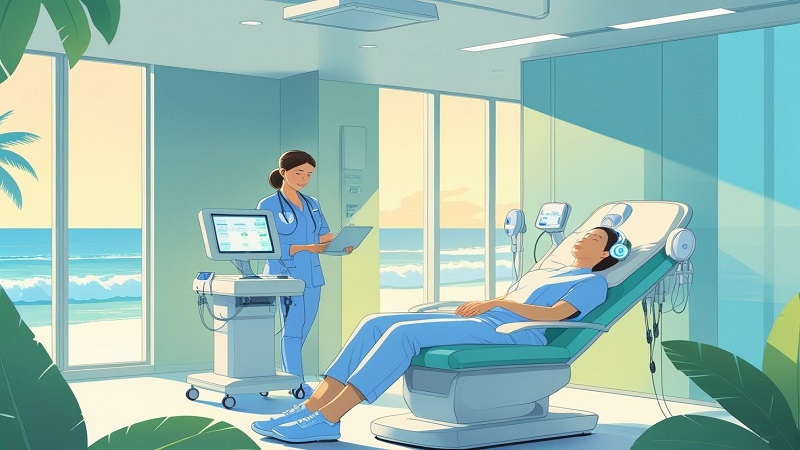
Depression can be difficult to treat when standard therapies don’t work, leaving many patients searching for alternatives. Transcranial Magnetic Stimulation (TMS) therapy has emerged as an FDA-approved, non-invasive treatment option for individuals in Miami who struggle with treatment-resistant depression and other mental health conditions. This therapy uses magnetic fields to stimulate specific areas of the brain associated with mood regulation.
Miami has seen growing access to TMS therapy through multiple clinics and medical centers. The treatment typically involves sessions five days per week over four to six weeks, with many facilities reporting strong patient adherence rates. TMS requires no anesthesia or recovery time, allowing patients to maintain their daily schedules during treatment.
This article examines how TMS therapy is providing options for Miami patients who haven’t responded to conventional treatments. It explores the therapeutic benefits, available treatment types, safety considerations, and cost factors that patients should understand when considering this approach.
How TMS Therapy Offers New Hope for Patients in Miami
TMS therapy provides a scientifically-backed alternative for individuals who haven’t responded to conventional depression treatments, with clinical data showing significant symptom reduction in over half of patients with treatment-resistant cases. Miami residents now have access to this non-invasive approach through multiple specialized clinics offering personalized treatment protocols.
Effectiveness of TMS for Depression
Clinical research demonstrates that 50-60% of patients with medication-resistant depression experience meaningful symptom reduction through transcranial magnetic stimulation. This response rate positions TMS therapy as a viable option when traditional antidepressants fail to provide relief.
The treatment targets specific brain regions associated with major depressive disorder by delivering magnetic pulses that stimulate neural activity. These pulses help reactivate underperforming circuits in the brain without systemic side effects common to psychiatric medications.
Patients typically notice gradual improvements rather than immediate changes. The therapy’s efficacy extends beyond temporary relief, with many individuals maintaining symptom reduction months after completing their treatment course. Studies comparing TMS for depression with other interventions show comparable results to newer treatments like ketamine therapy, but without dissociative effects.
Who Benefits from TMS Therapy
TMS treatment serves individuals diagnosed with major depressive disorder who have not achieved adequate results from at least one antidepressant medication trial. Psychiatrists typically recommend this therapy after evaluating a patient’s full treatment history and symptom severity.
The ideal candidates include those experiencing persistent symptoms of depression despite medication compliance, individuals who cannot tolerate antidepressant side effects, and patients seeking alternatives to pharmaceutical interventions. Artists and entrepreneurs often pursue TMS therapy in Miami to avoid cognitive dulling associated with some medications.
Certain medical conditions may exclude patients from treatment. Individuals with metal implants in or near the head, a history of seizures, or specific neurological conditions require careful evaluation before beginning TMS sessions.
Overview of the Treatment Process
A standard TMS therapy protocol consists of 36 sessions delivered five days per week over approximately seven weeks. Each session lasts 20-40 minutes, during which patients remain awake and alert in a specialized treatment chair.
During the procedure, a magnetic coil positioned against the scalp delivers focused pulses to predetermined brain regions. Patients feel a tapping sensation and hear clicking sounds from the device. No anesthesia or sedation is required, allowing individuals to drive themselves to appointments and resume normal activities immediately afterward.
The first session includes mapping to identify the precise brain location for stimulation. Miami TMS clinics typically offer treatment at consistent times each day to establish routine and optimize therapeutic benefits.
Recovery and Expected Results
Most patients report minimal to no downtime following TMS sessions. The most common side effect is mild scalp discomfort at the treatment site, which typically resolves quickly and decreases as treatment progresses.
Symptom improvement often becomes noticeable around the third or fourth week of treatment, though some individuals respond earlier or later. Mental health professionals monitor progress throughout the treatment course through regular assessments and adjust protocols when necessary.
After completing the full series of sessions, many patients maintain their gains for extended periods. Some individuals require maintenance sessions, typically scheduled monthly or quarterly, to sustain their mental wellness improvements. The non-invasive nature of transcranial magnetic stimulation allows for repeated treatment courses if symptoms return without cumulative negative effects on brain tissue.
Types, Safety, and Cost of TMS Therapy in Miami
Miami offers several transcranial magnetic stimulation options, each with distinct protocols and pricing structures. Understanding the differences between treatment types, safety profiles, and financial considerations helps patients make informed decisions about their care.
Non-Invasive Brain Stimulation Technologies
Non-invasive brain stimulation encompasses FDA-approved treatments that target neural circuits without surgical intervention. TMS delivers magnetic pulses through the scalp to stimulate specific brain regions associated with mood regulation. The technology creates brief electromagnetic fields that penetrate approximately 2-3 centimeters into the brain tissue.
Miami clinics utilize various coil designs and stimulation patterns. Standard figure-eight coils focus on smaller areas with precision. H-coils used in deep TMS (dTMS) reach broader and deeper brain structures. These devices operate without anesthesia or sedation, allowing patients to resume normal activities immediately after sessions.
Board-certified psychiatrists typically oversee treatment protocols. Some facilities combine TMS with medication management or compare it to alternatives like Spravato for treatment-resistant depression.
Comparing Deep TMS, NeuroStar, and Repetitive TMS
Deep TMS uses H-coils to stimulate wider brain regions and penetrate deeper than conventional devices. This approach targets multiple neural pathways simultaneously.
NeuroStar TMS employs a figure-eight coil design with precise targeting capabilities. NeuroStar TMS therapy has delivered over three million treatments nationwide. The system focuses on specific areas of the prefrontal cortex.
Repetitive TMS (rTMS) delivers pulses in repeated sequences at varying frequencies. High-frequency protocols (10+ Hz) typically increase neural activity. Low-frequency treatments (1 Hz) generally reduce hyperactive regions.
Miami providers offer all three modalities. Treatment selection depends on symptom patterns, previous treatment responses, and individual brain anatomy. Sessions typically last 20-40 minutes per appointment.
Safety, Side Effects, and Insurance Coverage
TMS therapy maintains an established safety record across millions of administered treatments. The most common side effects include mild scalp discomfort and headaches during or after sessions. These symptoms typically diminish within the first week of treatment.
Serious adverse events are rare. Seizures occur in fewer than 0.1% of patients. TMS is contraindicated for individuals with metallic implants near the treatment coil or those with epilepsy history.
Insurance coverage varies by provider and plan. Many major insurers cover NeuroStar TMS therapy and other FDA-approved protocols for treatment-resistant depression. Prior authorization requires documentation of failed medication trials and psychiatric evaluations. Miami clinics assist patients with insurance verification and appeals processes.
TMS Therapy Cost and Accessibility
TMS therapy cost in Miami ranges from $8,000 to $15,000 for a complete treatment course without insurance. Standard protocols involve 36 sessions over 6-9 weeks. Some facilities offer maintenance sessions at reduced rates.
Insurance-covered treatments significantly reduce out-of-pocket expenses. Copays typically range from $25 to $100 per session depending on the plan. Medicare covers TMS for qualifying patients with major depressive disorder.
Multiple clinics throughout Miami-Dade County provide access to treatment. Facilities operate in Miami Beach, South Miami, and central Miami locations. Some providers offer flexible scheduling including evening appointments to accommodate work schedules. Payment plans help patients manage costs when insurance coverage is limited or unavailable.
