


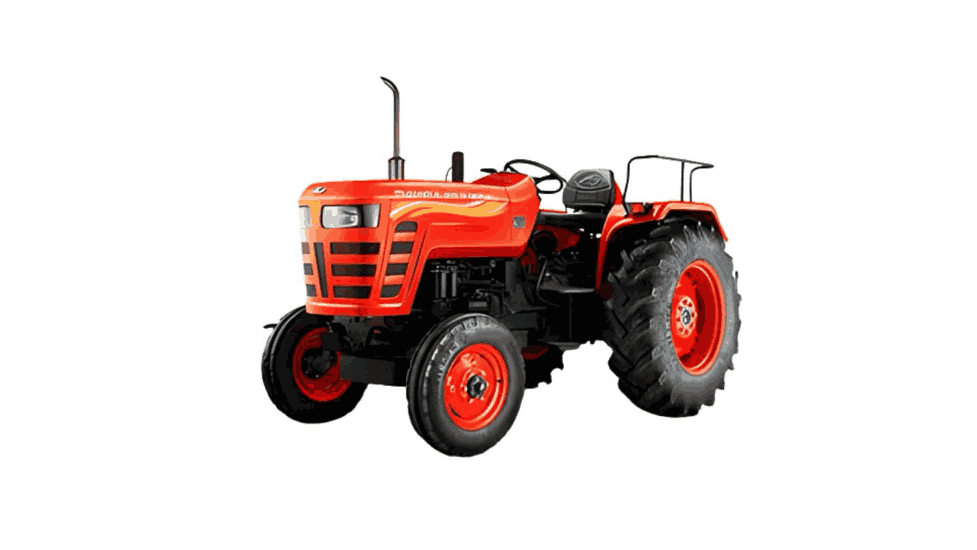
Harvest season in India is fast-paced. Crops are ready, labour is stretched, and every delay affects yield and mandi pricing. A well-prepared tractor keeps your work moving from field to trolley to yard, even on long days in dust and heat. Use this step-by-step guide to service the machine and the farm equipment you will run during harvest.
Before you begin, keep the owner’s manual, last service bills, and a simple logbook nearby. Mark the hours on the meter and note what you change. Use genuine filters and the correct grades of oil. If you rely on a local mechanic, book the visit early to avoid harvest queues. Carry a torch and gloves.
Table of Contents
Step 1: Wash, then do a full walkaround
Start by washing the tractor. Clean surfaces make leaks and loose parts easy to spot.
- Check underneath for oil, coolant, or diesel drops.
- Inspect belts and hoses for cracks, swelling, or fraying.
- Look for loose bolts on the front axle, drawbar, and wheel hubs.
- Clear chaff and mud from the grille and radiator fins.
Step 2: Change engine oil and filters on schedule
Fresh oil protects the engine when it is working at a steady load for hours.
- Change engine oil and replace the oil filter.
- Clean or replace the air filter; dusty stubble can choke it quickly.
- Replace the fuel filter and drain water from the sediment bowl, if fitted.
- Check for leaks around injector lines and the fuel pump.
If the engine smokes more than usual or feels weak, get injectors checked before the rush begins.
Step 3: Make the cooling system harvest-proof
Overheating is a common harvest-time issue, especially when chaff blocks airflow.
- Top up coolant to the correct level and use the manufacturer-recommended mixture.
- Inspect the radiator cap, clamps, and hoses for softness or seepage.
- Clean the radiator core gently with compressed air from the fan side outward.
- Set fan belt tension correctly; a loose belt reduces cooling and charging.
Never open the radiator cap when the engine is hot.
Step 4: Check clutch, transmission, and final drive
Trailer hauling and frequent shifting put stress on the driveline.
- Check transmission oil level and colour; milky oil can mean water entry.
- Measure clutch free play. Too little causes slipping; too much causes dragging.
- Listen for grinding, whining, or hard gear engagement.
- Inspect differential and final drive seals for wetness.
Fix clutch slip early. It will worsen under load and waste diesel.
Step 5: Service hydraulics and the PTO
Hydraulics and PTO power most harvest attachments on a tractor.
- Check the hydraulic oil level and look for dark colour or foaming.
- Inspect hoses and couplers for cracks, bulges, and leaks.
- Test lift arms for smooth movement and correct drop rate.
- Grease linkages, stabilisers, and ball ends.
- Ensure the PTO engages cleanly and the shaft guard is intact.
Confirm the PTO speed needed by each implement (often 540 rpm) and match it.
Step 6: Tyres and wheels for traction and stability
Good tyres reduce slippage, fuel use, and the risk of getting stuck on bunds.
- Check tread and sidewalls for cuts, stubble punctures, and cracks.
- Inflate to the recommended pressure for field work versus transport.
- Tighten wheel nuts to spec and inspect rims for bends.
- On 4WD models, check front hubs and bearings for play.
Avoid overinflation; it reduces grip and increases damage on rough patches.
Step 7: Brakes and steering must be sharp
With a loaded trolley, “almost fine” brakes are not fine.
- Test both brakes for equal bite and correct pedal travel.
- Check brake fluid (if applicable) and inspect lines for leaks.
- Inspect steering joints and tie rods for wear and looseness.
- Check the power steering oil and confirm there is no heavy spot while turning.
If the tractor pulls to one side during braking, service it immediately.
Step 8: Electricals, lights, and battery for longer hours
Harvest work often starts early and finishes late.
- Clean battery terminals and secure the battery clamp.
- Check electrolyte level in serviceable batteries.
- Test alternator charging and belt condition.
- Verify headlights, tail lamps, indicators, and the horn.
- Keep spare fuses and bulbs in the toolbox.
A weak battery can turn a short tea break into a wasted hour.
Step 9: Prepare implements and attachments together
Even a perfectly serviced tractor struggles if your farm equipment is neglected.
- Sharpen blades on reapers and cutters; dull edges increase load and fuel use.
- Check bearings, chains, and belts on threshers and balers.
- Grease universal joints and inspect PTO shafts for wear.
- Replace missing guards and shields to reduce injury risk.
- Align hitch points and replace worn pins, clips, and bushes.
Run a brief trial for each implementation. Heat at bearings or unusual vibration is a warning sign.
Step 10: Stock essentials, then do a real field test
Small spares prevent big delays when the nearest shop is far away.
- Engine oil, hydraulic oil, grease, and a clean funnel
- Filters, fan belt, hose clamps, and a few fasteners
- Tyre repair kit, puncture plugs, and a foot pump
- Basic spanners, pliers, and electrical tape
Also, keep a first-aid kit, drinking water, and a fire extinguisher in the shed.
Finally, test the machine like you will use it.
Warm up and watch the temperature gauge.
- Drive through all gears, including reverse and 4WD if fitted.
- Lift a loaded implement to check hydraulics and stability.
- Run the PTO at working rpm for a few minutes and listen closely.
- Do a short transport run with a trailer to confirm braking and steering.
Step 11: Follow a 10-minute daily routine during harvest
Once harvest starts, a routine keeps the tractor reliable and protects your farm equipment.
- Check engine oil, coolant level, and any fresh leaks before you start.
- Tap dust from the air pre-cleaner and clean the radiator screen every day.
- Grease high-use points (front axle, lift linkages, PTO joints) per the manual.
- Walk around the tyres and look for nails, stubble cuts, and low pressure.
- Re-tighten hitch pins and trolley couplers after the first load of the day.
- Park on firm ground, apply the handbrake, and let the turbo cool before shutdown.
Conclusion
Preparing your tractor for harvest is not about one big repair; it is about disciplined checks that prevent downtime. When you service the engine, cooling, driveline, hydraulics, tyres, brakes, and electricals, and you give the same attention to your farm equipment, you enter the season with smoother performance, safer hauling, and better fuel efficiency. Set aside one focused day for inspection, and another for repairs, and your harvest work will stay on track from the first cut to the last loa
